By Sarah Taylor | Cypress Coast Care
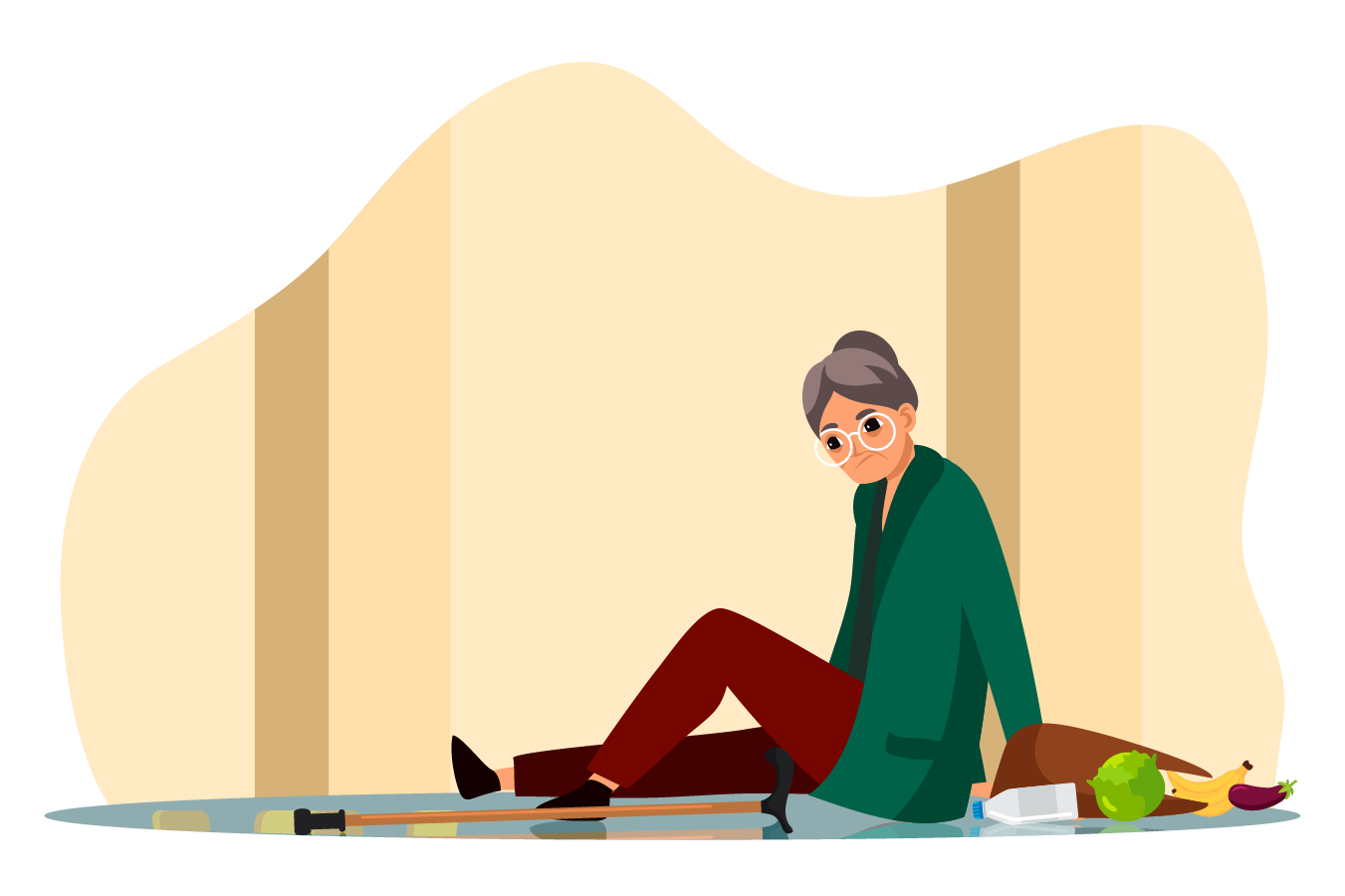
Each incident is serious. Unfortunately, thirty-six million falls are reported each year. Falls are the leading cause of accidental death for people over 75. In the United States, an older adult dies from a fall every 20 minutes. Older adults who experience falling will financially feel the cost. Annually, of the $50 billion total cost, $12 billion is passed on to the patient, and $9 billion is paid by Medicaid. Falls are considered catastrophic and the person may become partially or totally disabled.
There are many risk factors that contribute to falling.
– History of falls
– Women 80 years of age or older
– Poor balance, unsteady gait when walking
– Weak legs
– Medication (esp. those that cause sleepiness or dizziness)
– Dehydration
– Hearing issues
– Vision impairments
– Low Vitamin D levels
– Foot pain, numbness and tingling of the lower extremities.
– Poor footwear (e.g., slippery bottoms, poor support, improper size)
– Fear of falling
Seniors age 50 and older need to discuss falling concerns with the primary care physician, nurse practitioner, or physician’s assistant. Please note, there is a progression of falls. Where do you identify yourself on this list?
-Fear of falling: anxiety about falling
-Near fall: loss of balance without falling to the ground
-Minor fall: a fall with scratches/bruises (little or no injury)
-Fall with injury: a fall with sprains, cuts, and/or minor fractures
-Severe Fall: a fall leading to severe injury (for ex. broken hip),
-Fatality: a fall that causes a death
Share info on how medications make you feel. Many of us have high blood pressure or experience low blood pressure. Medical providers may need to adjust these medications to keep people from feeling dizzy and unsafe when standing.
Nutrition is a key to being safe. If elderly people skip meals, indulge too much sugar or salty foods, or become dehydrated these factors can contribute to falling. Diabetic patients are considered elevated risk. These patients can experience high or low blood sugar levels. They may suffer from neuropathy in their feet causing frequent falls. They are encouraged to follow their recommended diets, check their blood sugar levels, and see their medical provider regularly.
Annual vision and hearing examinations can help. As people age their eyes can change
frequently. Hearing can diminish because of wax build-up and/or hearing loss. Exercise is a key to keeping the body strong. Doing some kind of activity is instrumental in the reduction of falls. Whether going for a walk around the yard, pedaling a stationary bike, doing aerobics or Tai Chi — these types of activities can prevent falls. Check your local wellness centers, senior centers, and health clubs for information about becoming involved.
Sarah Taylor would love to hear from readers. Call her at Cypress Coast Care in Chocowinity, phone 252 320-9119.