By Katie Zehnder
RALEIGH – North Carolinians are feeling the weight of rising property taxes, and lawmakers at the General Assembly are already discussing a levy limit in committee meetings as the ‘short session’ gets underway.
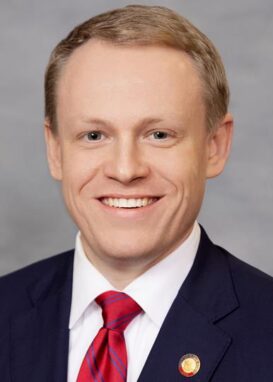
During a March 18 meeting of the House Select Committee on Property Tax Reduction and Reform, the committee voted to consider a draft bill for a constitutional amendment that would require the General Assembly to enact legislation limiting future increases in the property tax levy.
“Property taxes are out of control,” said House Speaker Destin Hall, R-Caldwell, in a press release. “Families are getting ripped off as some, but by no means all, local governments rake in billions more than inflation and population growth warrant. It’s time for real reform, which is why the House is pursuing solutions like levy limits to stop runaway property tax hikes and protect North Carolina taxpayers.”
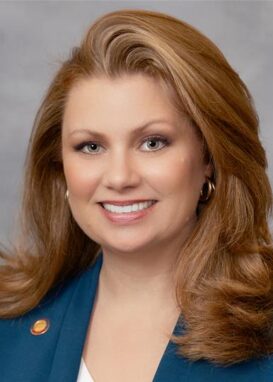
State Rep. Erin Paré, R-Wake, co-chair of the committee, said during the meeting that by making the legislation a constitutional amendment, it would be up to the taxpayers whether the General Assembly would be given authority to make major changes to how county property taxes are collected. Paré said the whole discussion could be summarized in one word — predictability.
“And that just hasn’t been happening with these recent tax hikes they have been seeing,” she said. “And I think that’s a keyword that we need to think about when we talk about whether we want to do this constitutional amendment or not. What’s been happening undermines homeownership, and that’s been articulated on both sides of the aisle in this committee several times.”
State Rep. Jeff Zenger, R-Forsyth, proposed a cap on how much rates can increase each year. Zenger admitted that even his own taxes went up 52%.
“It concerns me how quickly we will make all of our constituents cut their spending, but I have not heard one single municipality or county say, ‘Hey, we could tighten up,’” said Zenger. “Suddenly, there was no bellyaching a year ago about how much they had, and all of a sudden, they get a 52% increase, and they need every dime. I wonder if the way to maybe do this is to just have a cap.”
Zenger said the point would be to “come to a place where it forces municipalities to look at what they are spending.” He asked, “How do we make it so it doesn’t absolutely crush our people when they get these tax bills? I guarantee you, there are people out there who have absolutely panicked when they got that bill last September.”
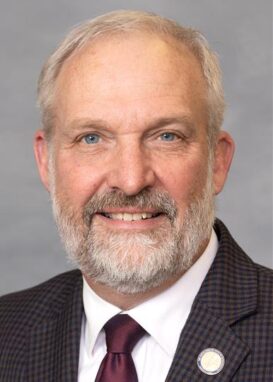
State Rep. Julia Howard, R-Davie, co-chair of the committee, emphasized the complexity of the process and stated that she has already spoken to Hall about extending the committee into next year and that each member will have the opportunity to serve on the future committee should they choose to do so. She stated that this is the beginning of a long and complicated process.
Supporting the overall evidence of public outcry over the issue, the latest Carolina Journal Poll found that 76.8% of North Carolinians said property taxes were a financial burden, with 38.7% saying it was a minor burden and 38.1% saying it was a major burden. Only 17% said it was not a burden at all.
When asked if they would support an amendment to the North Carolina Constitution requiring limits on property tax increases by local governments, 73.2% said they would support such a limitation, while only 11.9% said they would not.
“In a year when property taxes are front and center across the country, North Carolina voters are sending a clear message: Rising property taxes are a burden, and they want limits,” said Donald Bryson, CEO of the John Locke Foundation. “That’s a powerful signal for policymakers heading into the legislative session.”
A recent study from Joseph Harris, fiscal policy analyst at the John Locke Foundation, found that property tax collections across the state’s 10 largest counties exceeded inflation and population growth by $2.7 billion over the past 10 years.
Nine out of the 10 counties collected more revenue over the decade than would have been allowed by the levy limit. Cabarrus, Wake, Durham, Buncombe, Guilford, Forsyth, Gaston, Mecklenburg, New Hanover, and Cumberland were the counties analyzed in the study.
“Under a levy limit, the total amount of property tax revenue a local government can collect each year is capped based on factors like inflation and population growth,” Harris told the Carolina Journal. “This ensures governments can fund services as costs rise, while placing a ceiling on how quickly the overall tax burden can expand.”
Editor’s note: This article originally published in the Carolina Journal. Reprinted here with permission. Update: Tuesday, April 28, Senate Leader Phil Berger (R-Rockingham) filed a bill to institute a moratorium to halt all property tax revaluation changes in 2026. This pause, if approved, provides the General Assembly time to put forward additional proposals for property tax reforms.